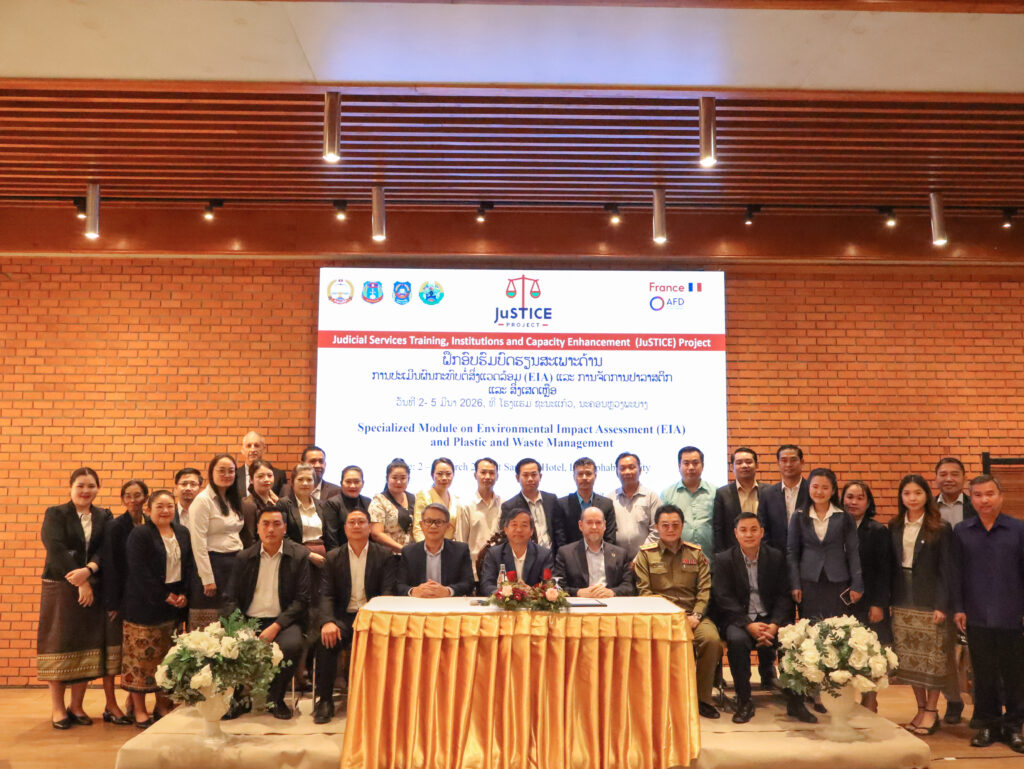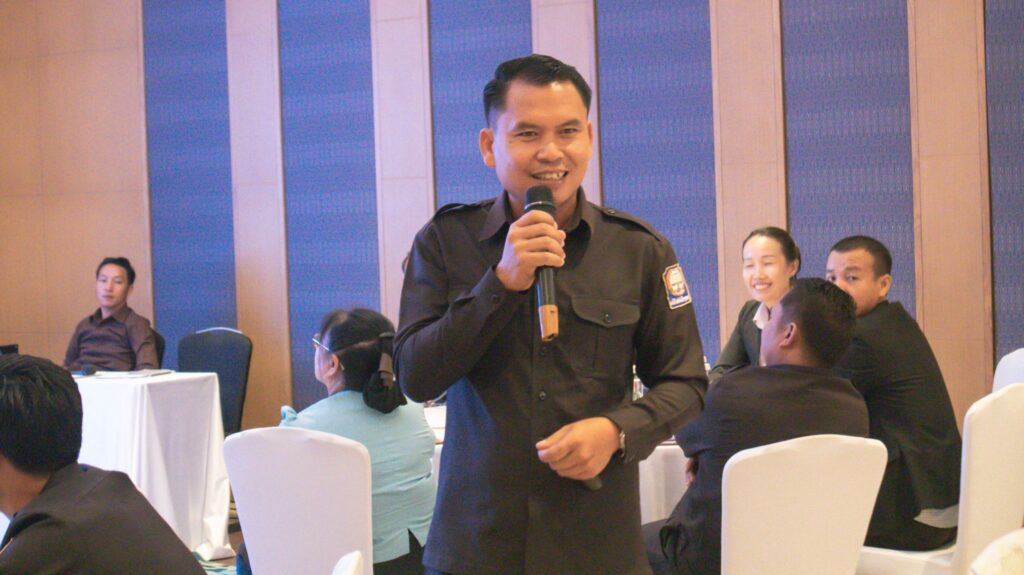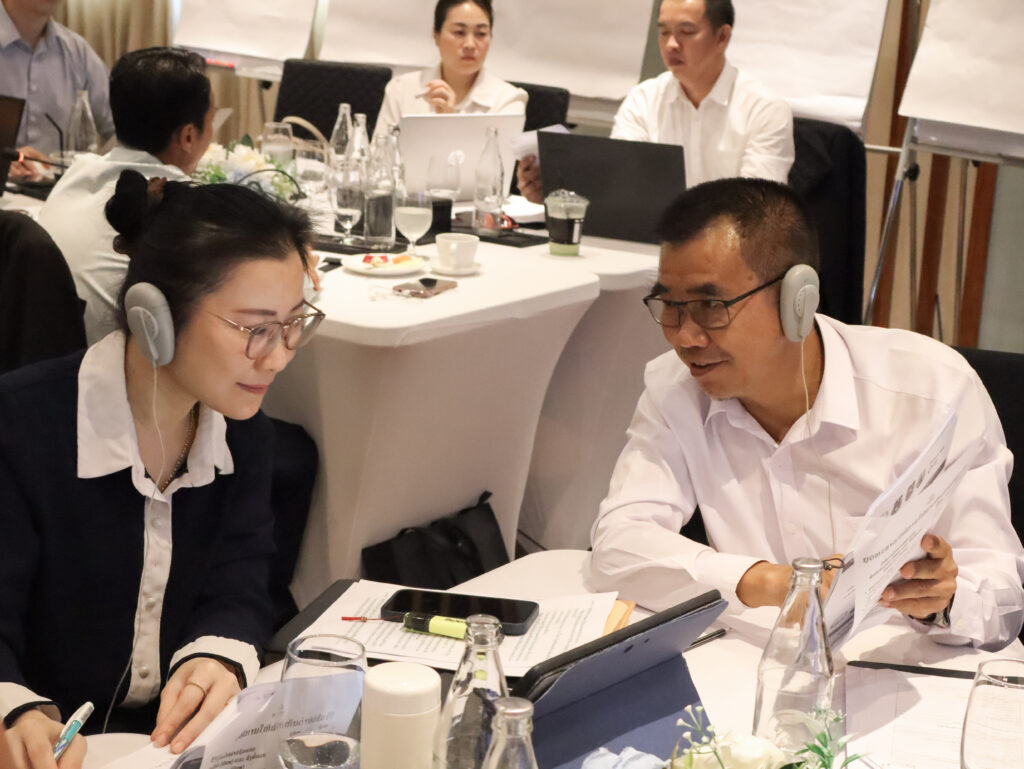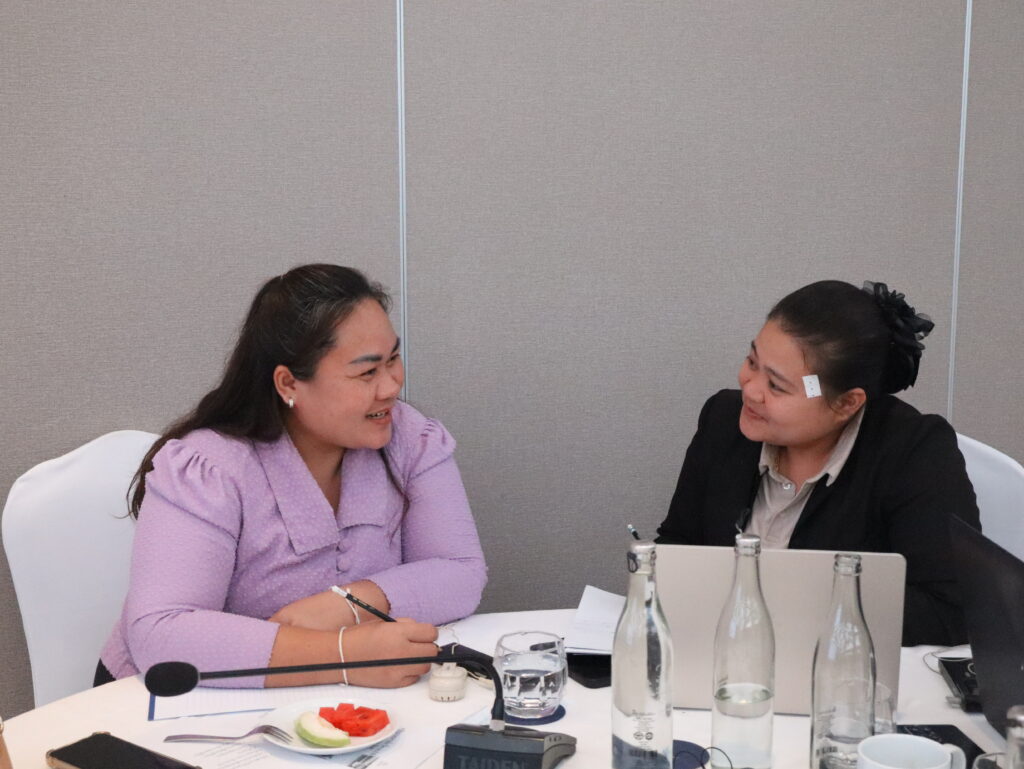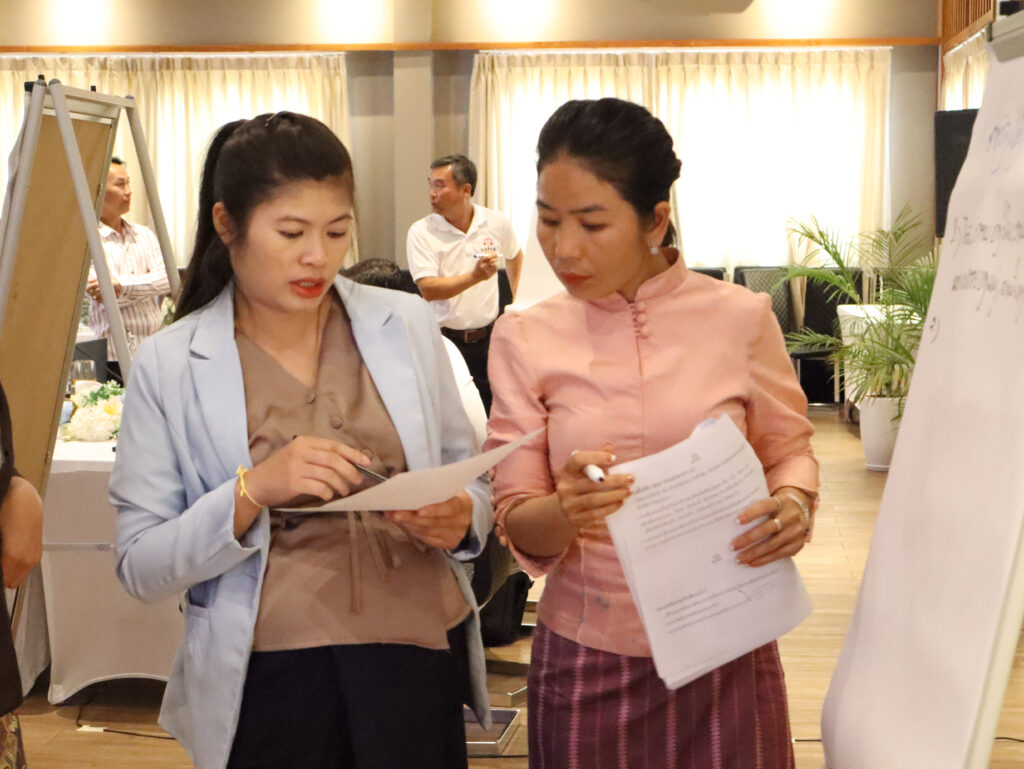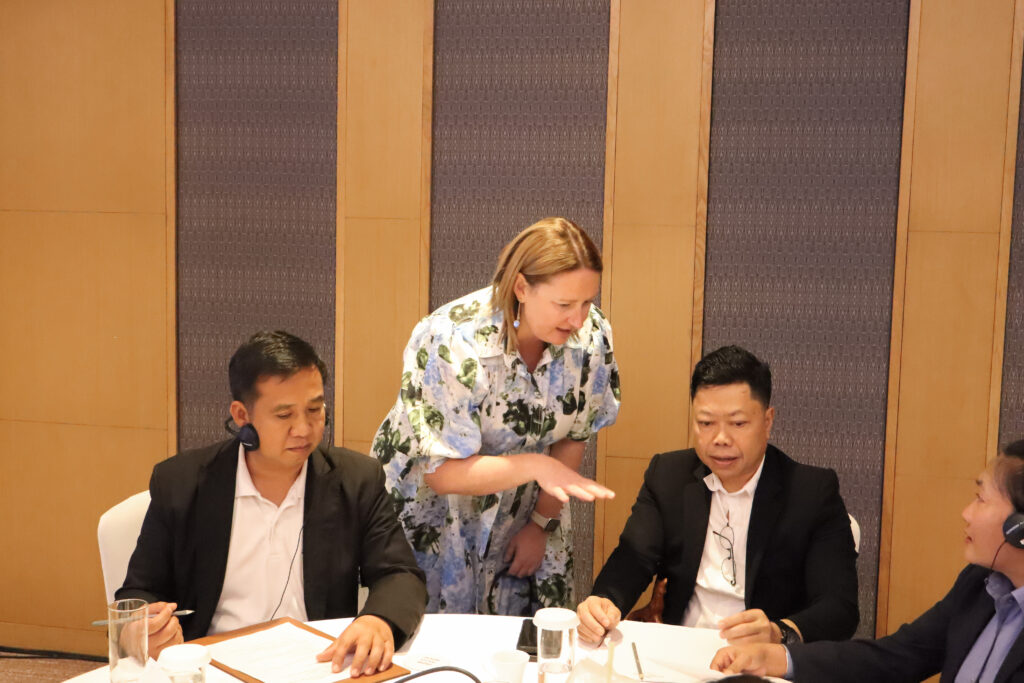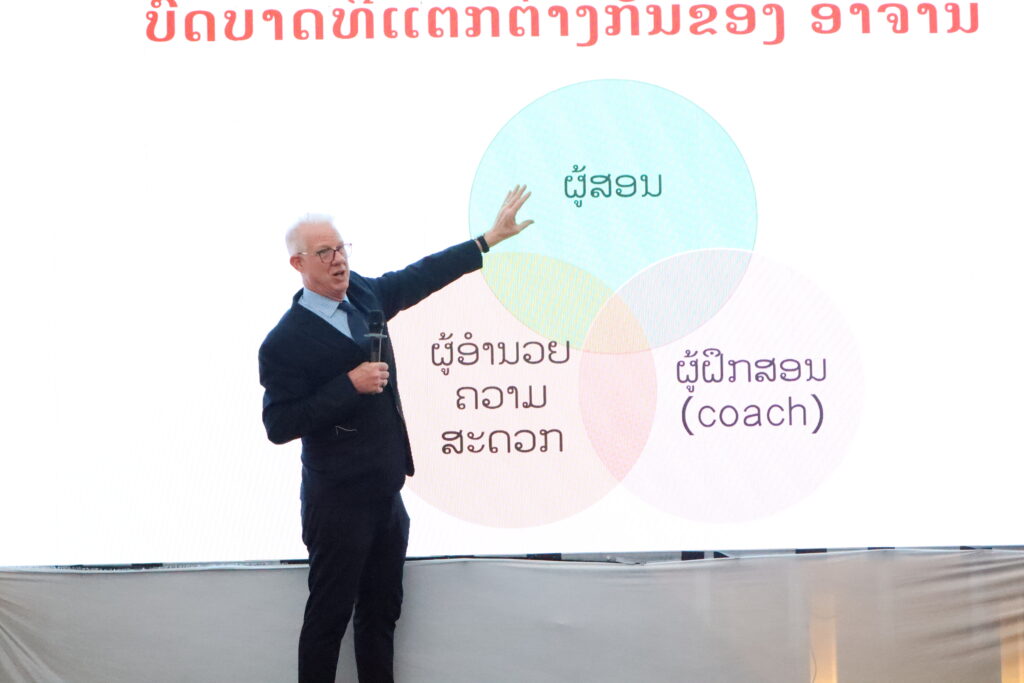
The JuSTICE Project, funded by the Agence Française de Développement (AFD) and implemented in close collaboration with the National Institute of Justice (NIJ), organised a two-day training on Environmental Impact Assessment (EIA) on 2-3 March 2026 in Luang Prabang, Lao PDR. The training was led by international environmental law expert Matthew Baird, who guided participants through the legal, institutional, and practical dimensions of EIA in both international and Lao contexts.
The two-day training brought together justice sector actors and key stakeholders, including the Ministry of Agriculture and Environment, the Faculty of Law and Political Science (National University of Laos), the Environmental Police, the National Institute of Justice in Luang Prabang, Provincial People’s Courts, and the Lao Bar Association, to enhance their understanding of Environmental Impact Assessment (EIA), with a particular focus on legal and institutional frameworks, compliance and enforcement, and strengthen their ability to apply EIA principles and procedures in their professional roles.
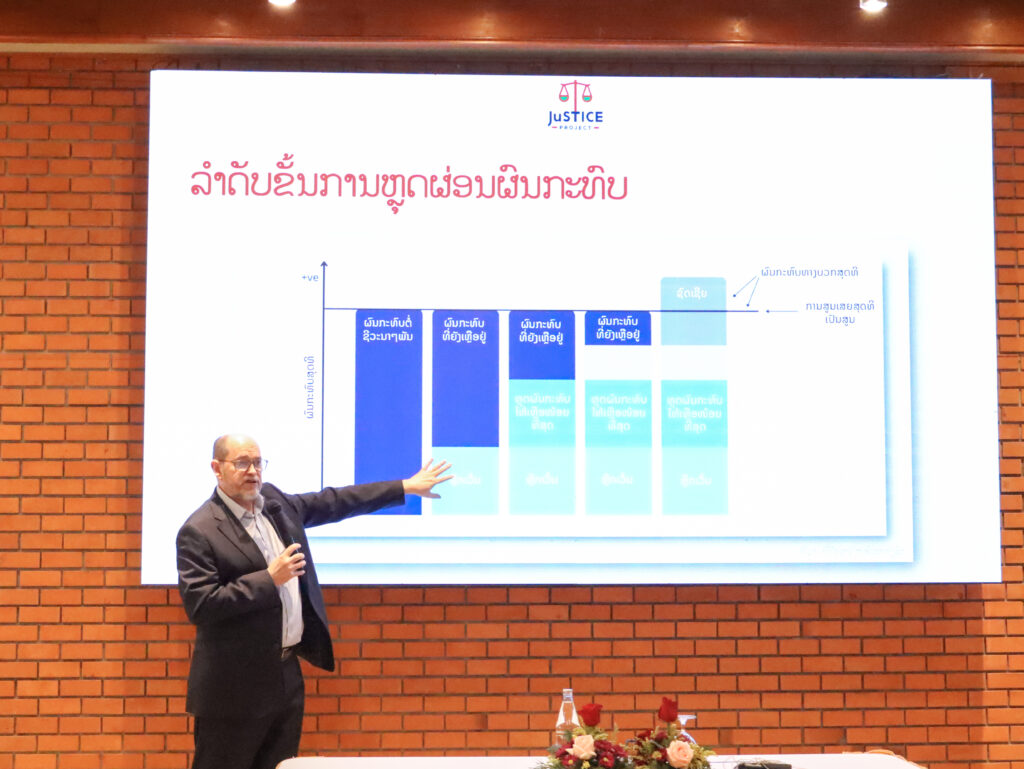
The training forms part of the JuSTICE Project’s ongoing Climate and Environmental Justice (CEJ) component to reinforce the rule of law and strengthen environmental governance. This specialised module builds on the core CEJ training delivered in 2025, which introduced justice sector actors to the fundamental principles of environmental law and justice. By focusing specifically on Environmental Impact Assessment (EIA), the training deepened participants’ understanding of one of the key legal and institutional tools for preventing environmental harm and promoting sustainable development.
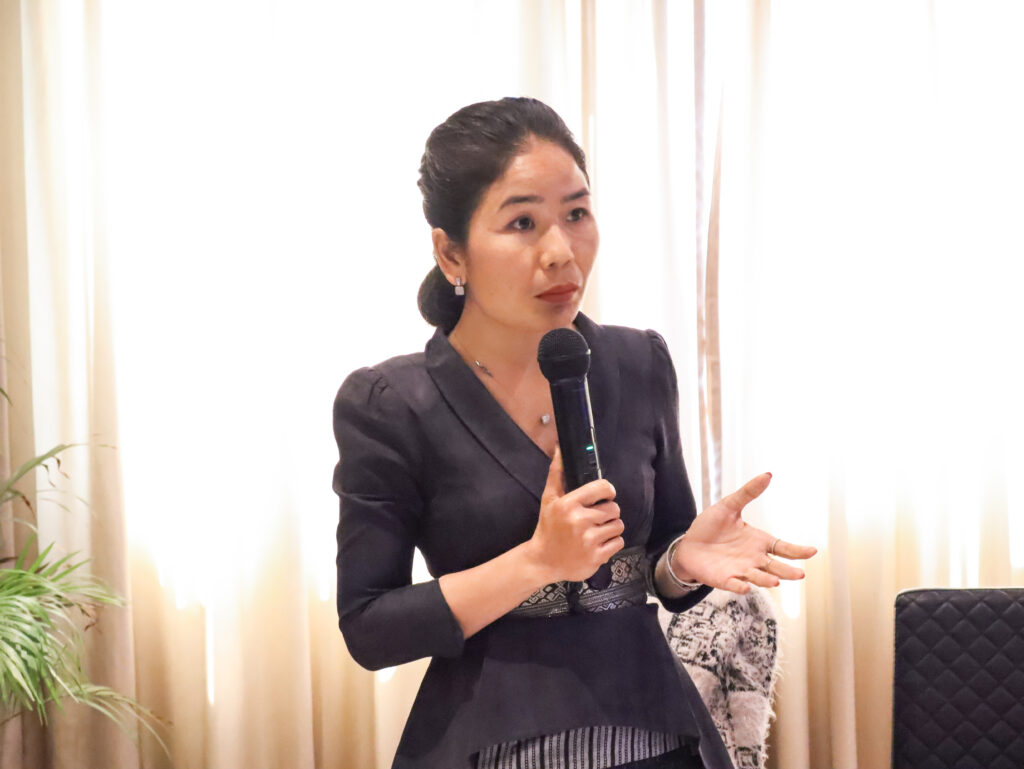
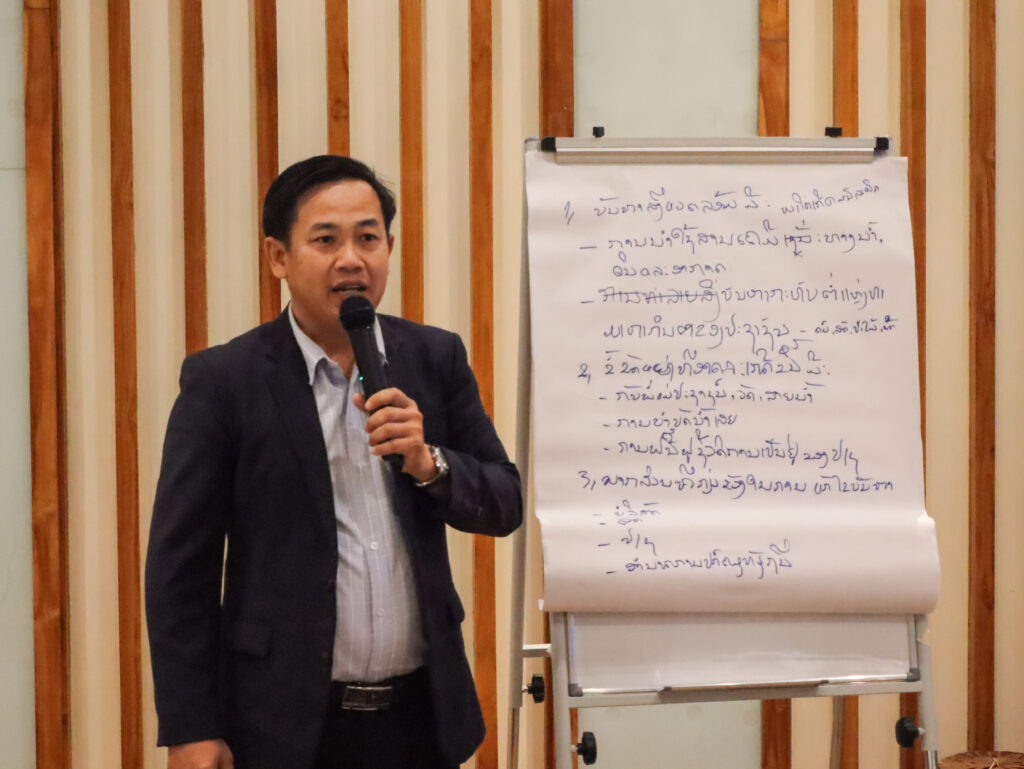
Discussions covered both international and national perspectives on EIA systems. The expert provided an overview of global practices, highlighting core principles such as prevention, transparency, and public participation. These insights were complemented by presentations on the environmental governance framework in Lao PDR, including institutional arrangements and the legal basis for EIA implementation.
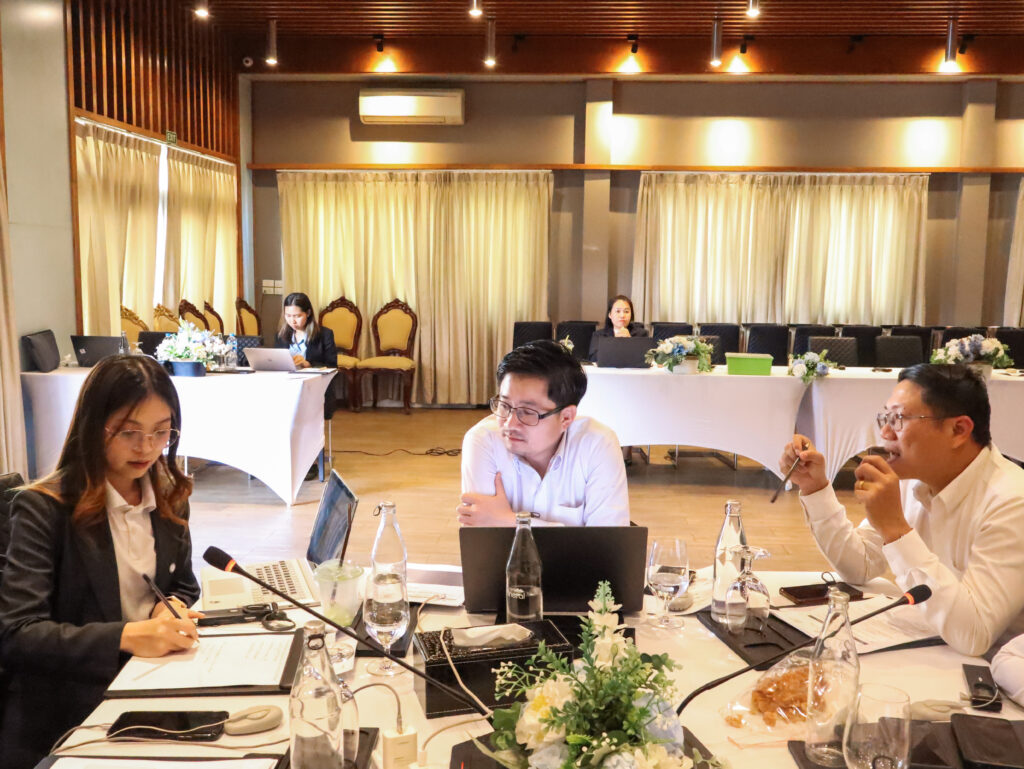
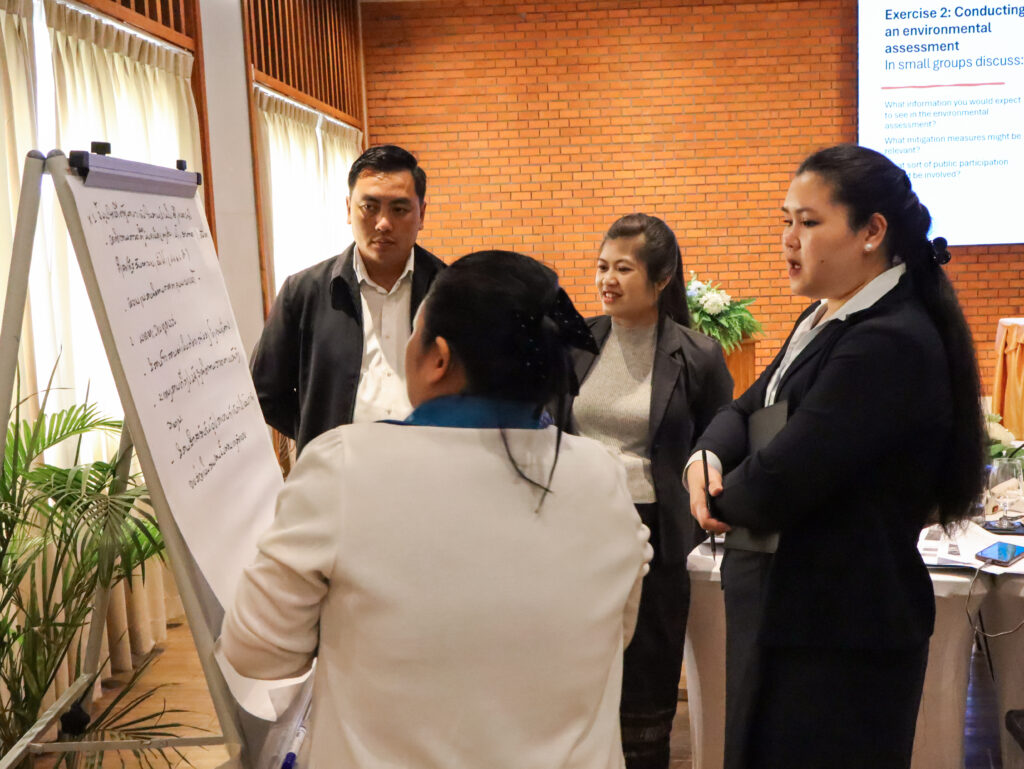
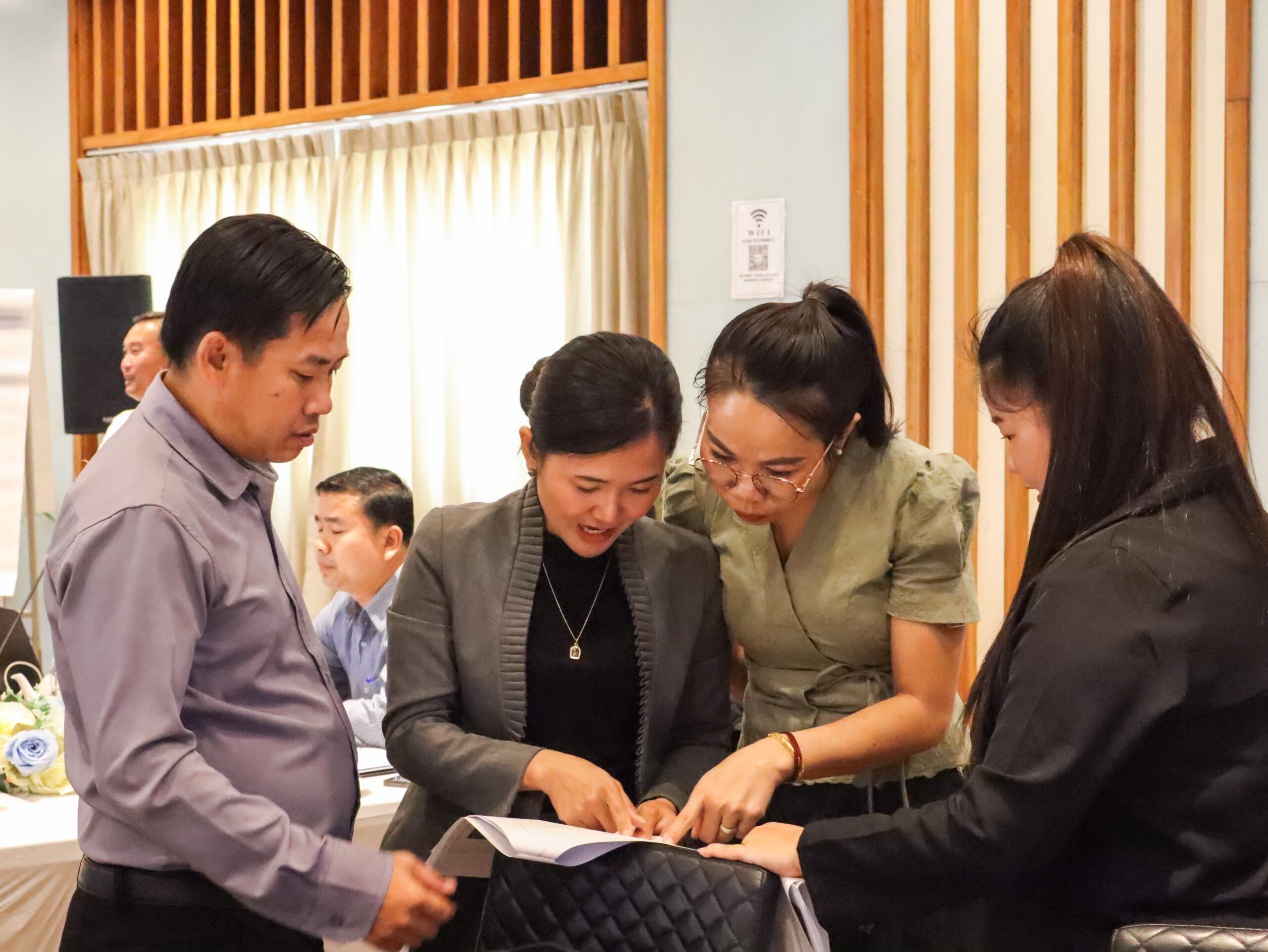
The training also placed strong emphasis on practical application. Through group discussions and exercises, participants examined real-life scenarios related to EIA processes, including assessment and approval procedures, compliance and enforcement mechanisms, and the roles and responsibilities of different institutions. These interactive sessions enabled participants to reflect on current practices and identify areas for improvement in the Lao context.
The training concluded with a forward-looking discussion on the opportunities and challenges for EIA in Lao PDR, where participants underscored the importance of ongoing capacity-building, knowledge sharing, and inter-institutional collaboration to strengthen environmental governance. By the end of the two-day training, participants had enhanced both their understanding of EIA systems and their practical skills, equipping them to apply environmental laws more effectively. The insights gained are set to contribute directly to the JuSTICE Project’s continued efforts to promote environmental justice and reinforce the rule of law in Lao PDR.