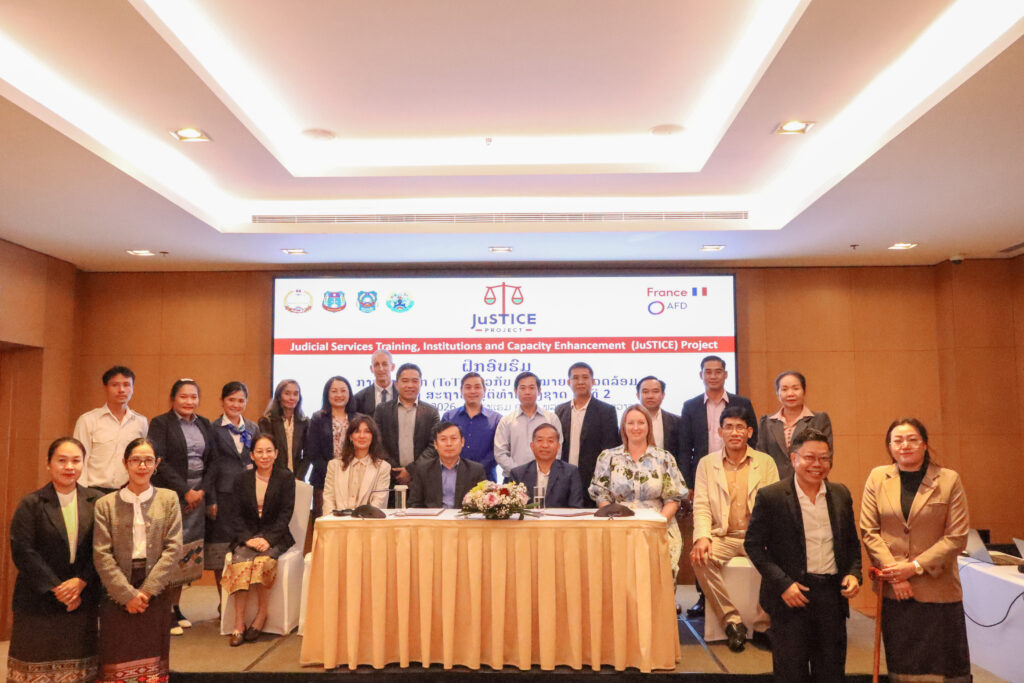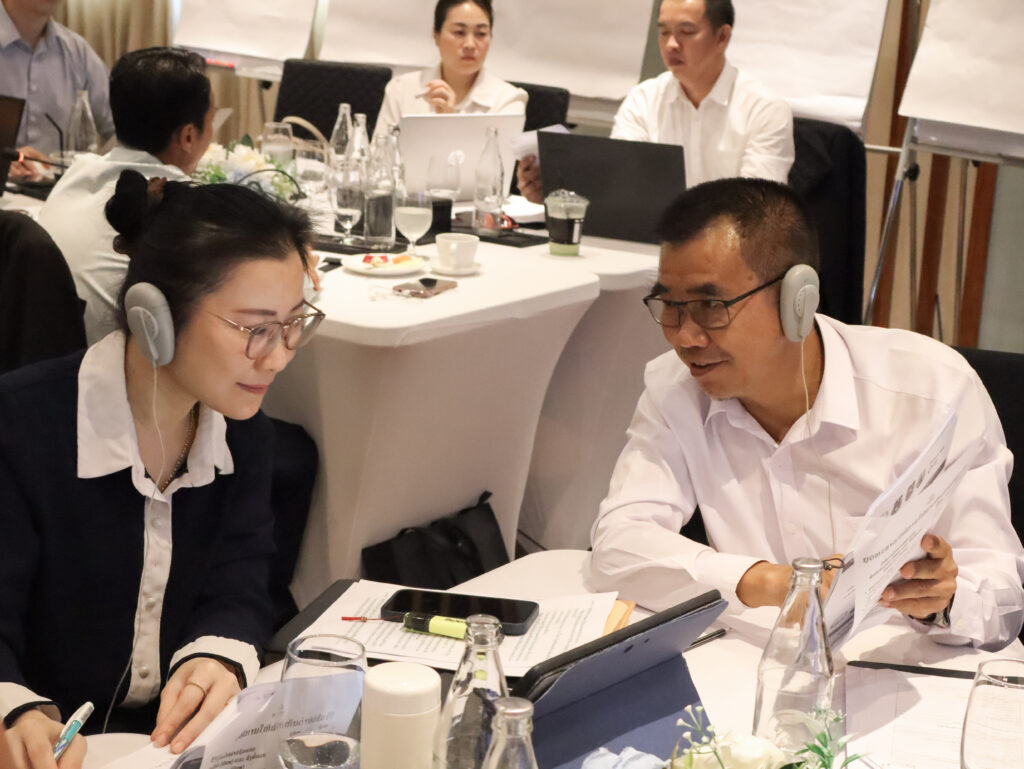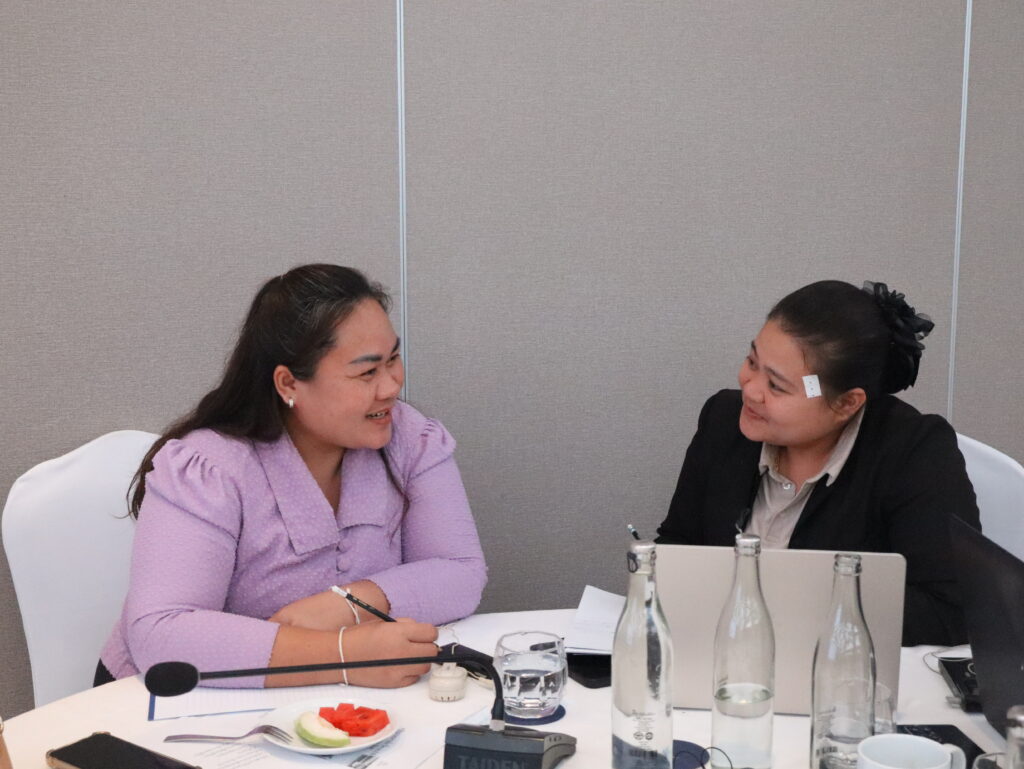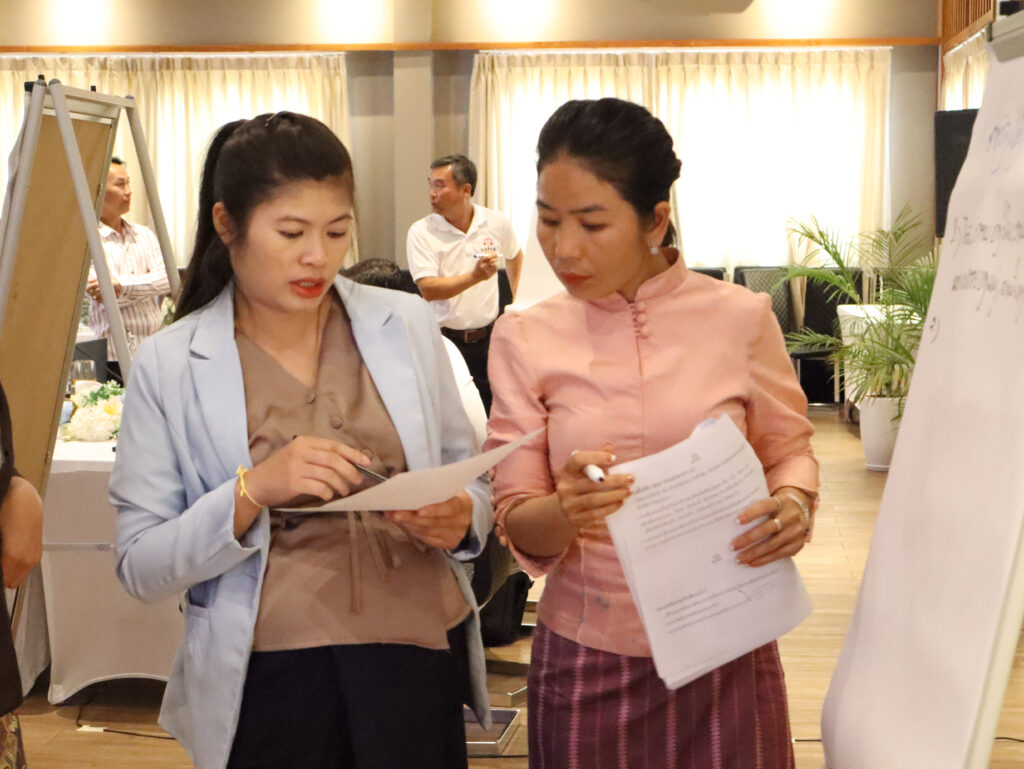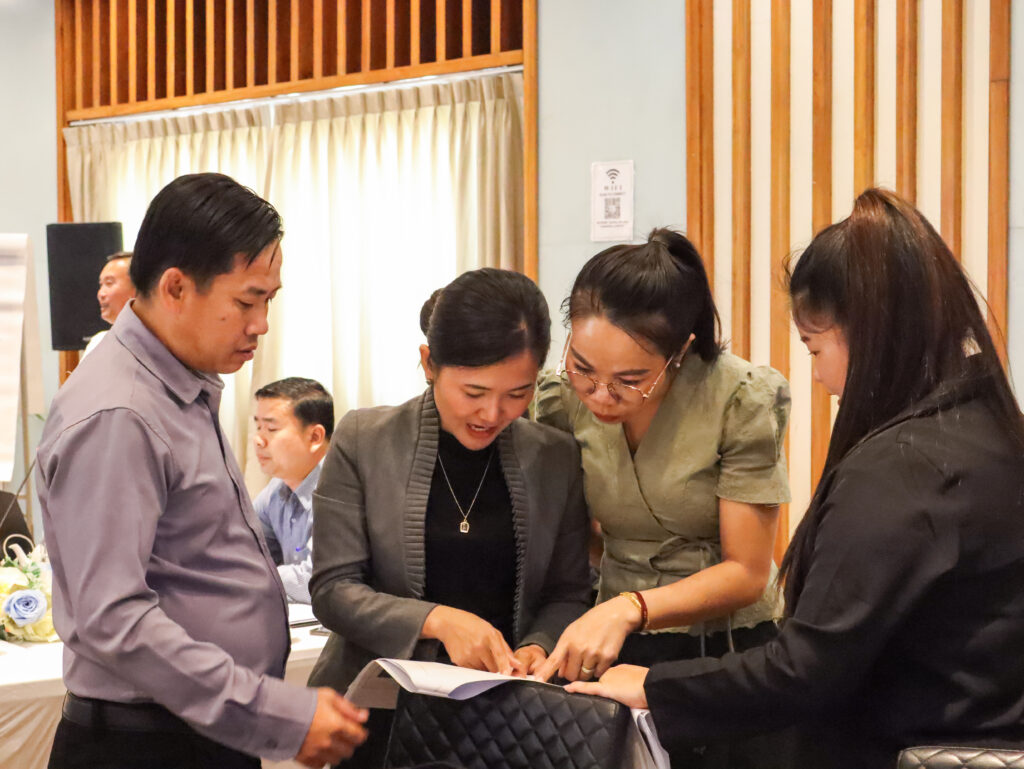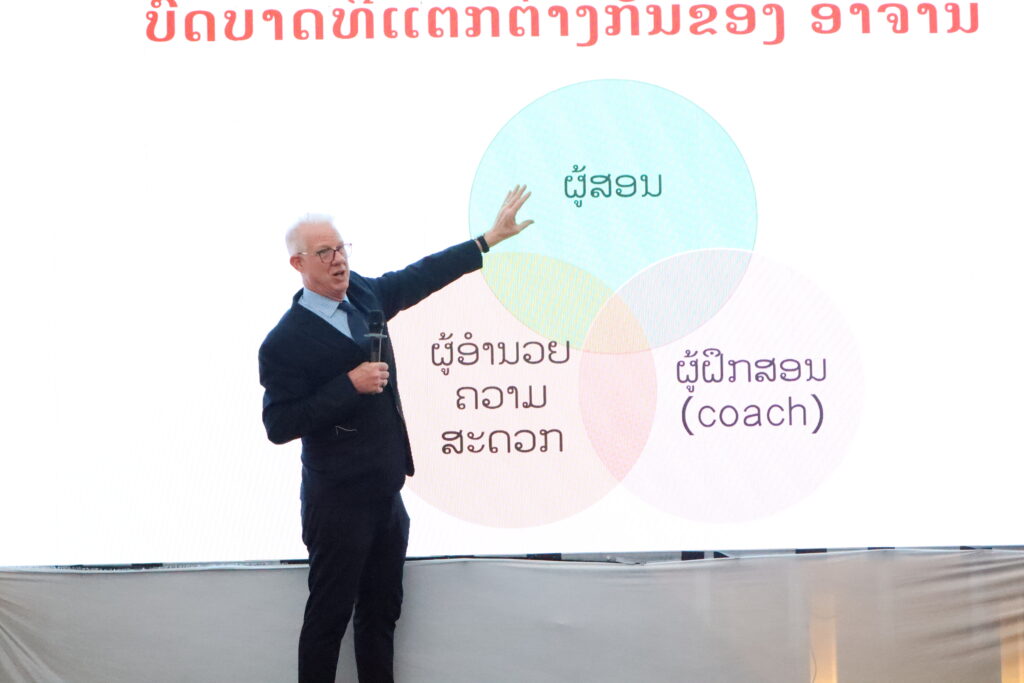
From 21-23 January 2026, the JuSTICE Project, funded by the Agence Française de Développement (AFD), supported the National Institute of Justice in organising the Second Training of Trainers (ToT) Programme on Environmental Law in Lao PDR.
The three-day training brought together national trainers with the objective of strengthening their capacity to deliver high-quality, practice-oriented environmental law training. Building on the foundations established during the first ToT, the training focused on advancing facilitation skills and addressing practical challenges encountered in real teaching environments. Particular attention was given to supporting participants in transitioning from technical legal expertise to confident and effective facilitation.
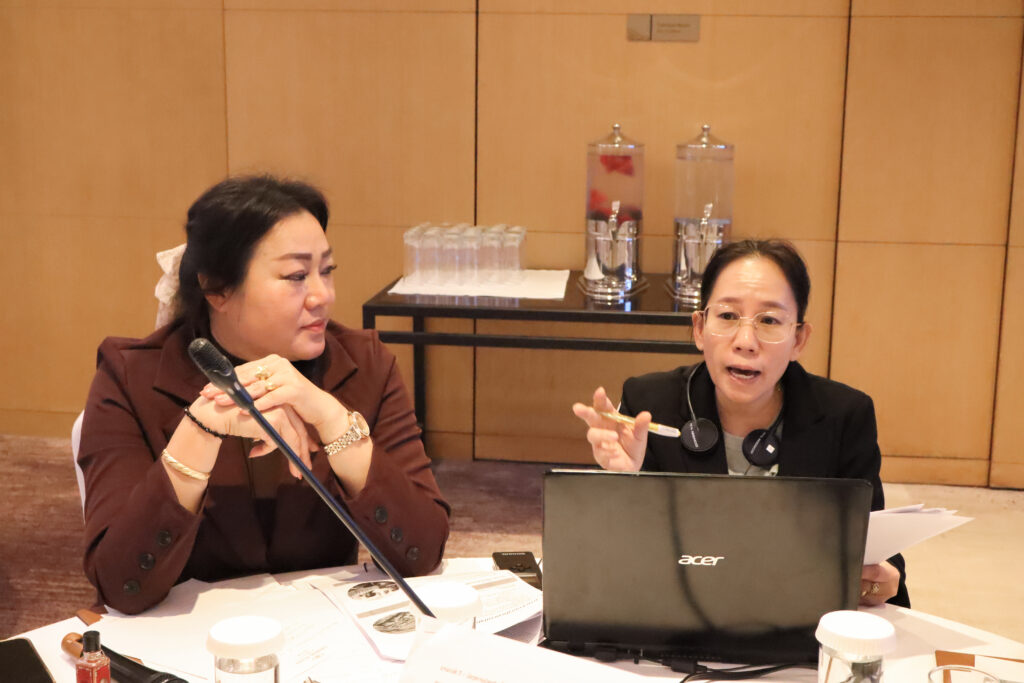
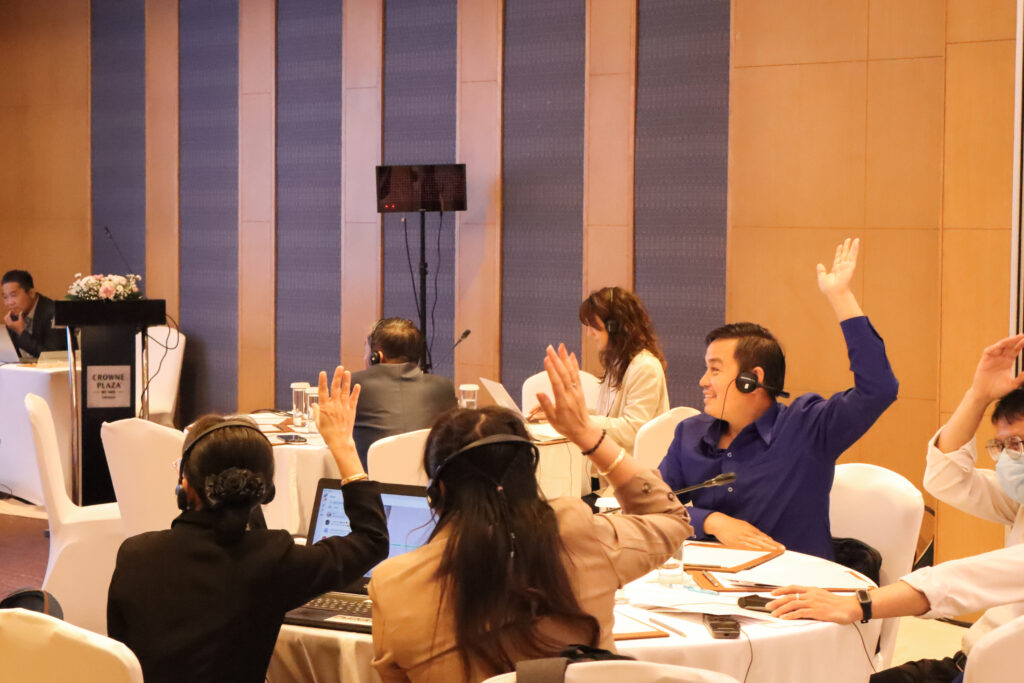
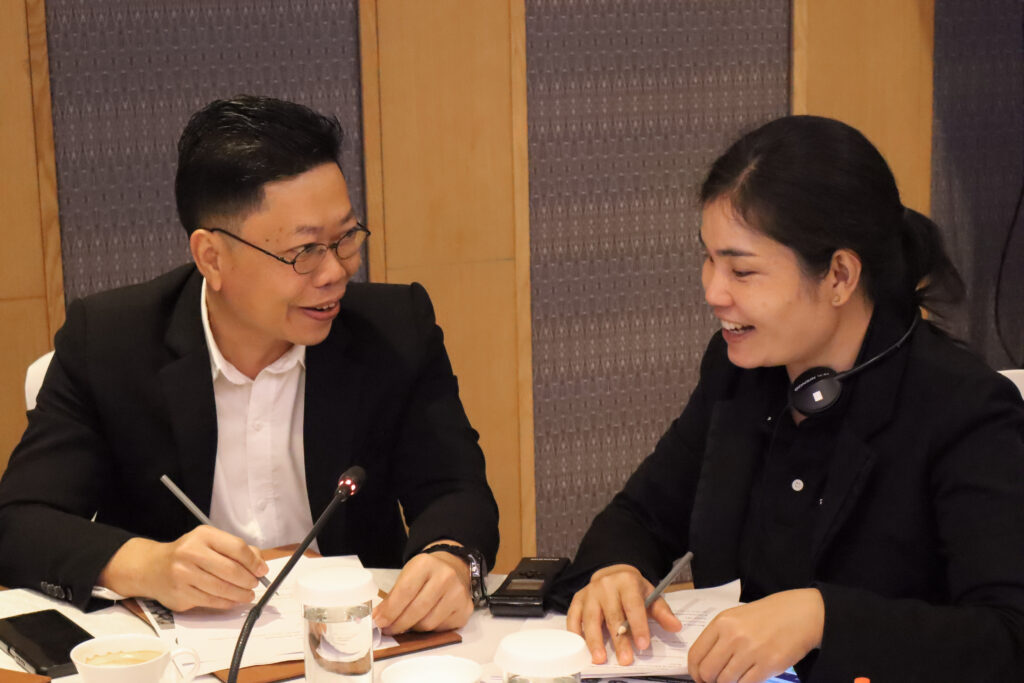
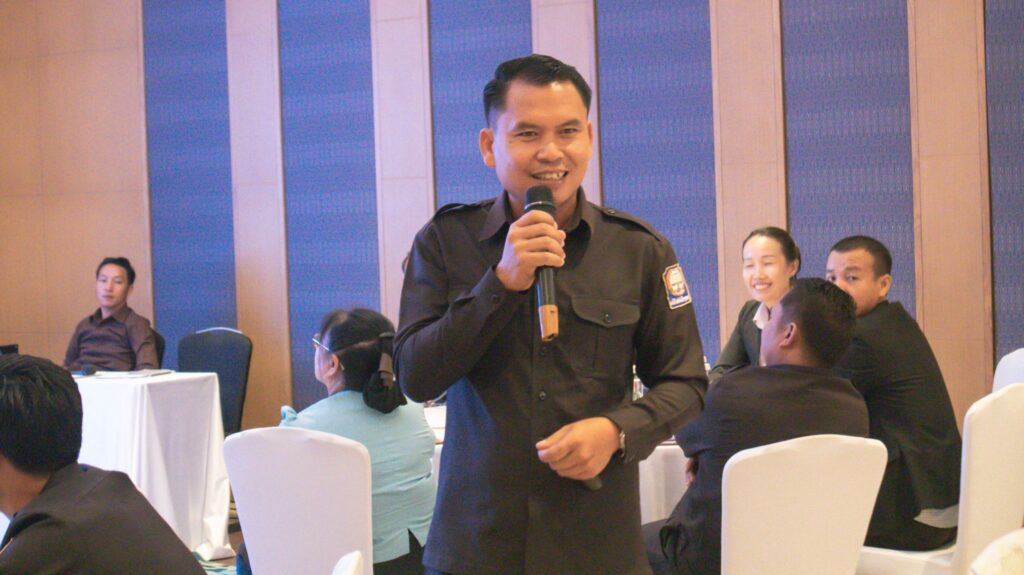
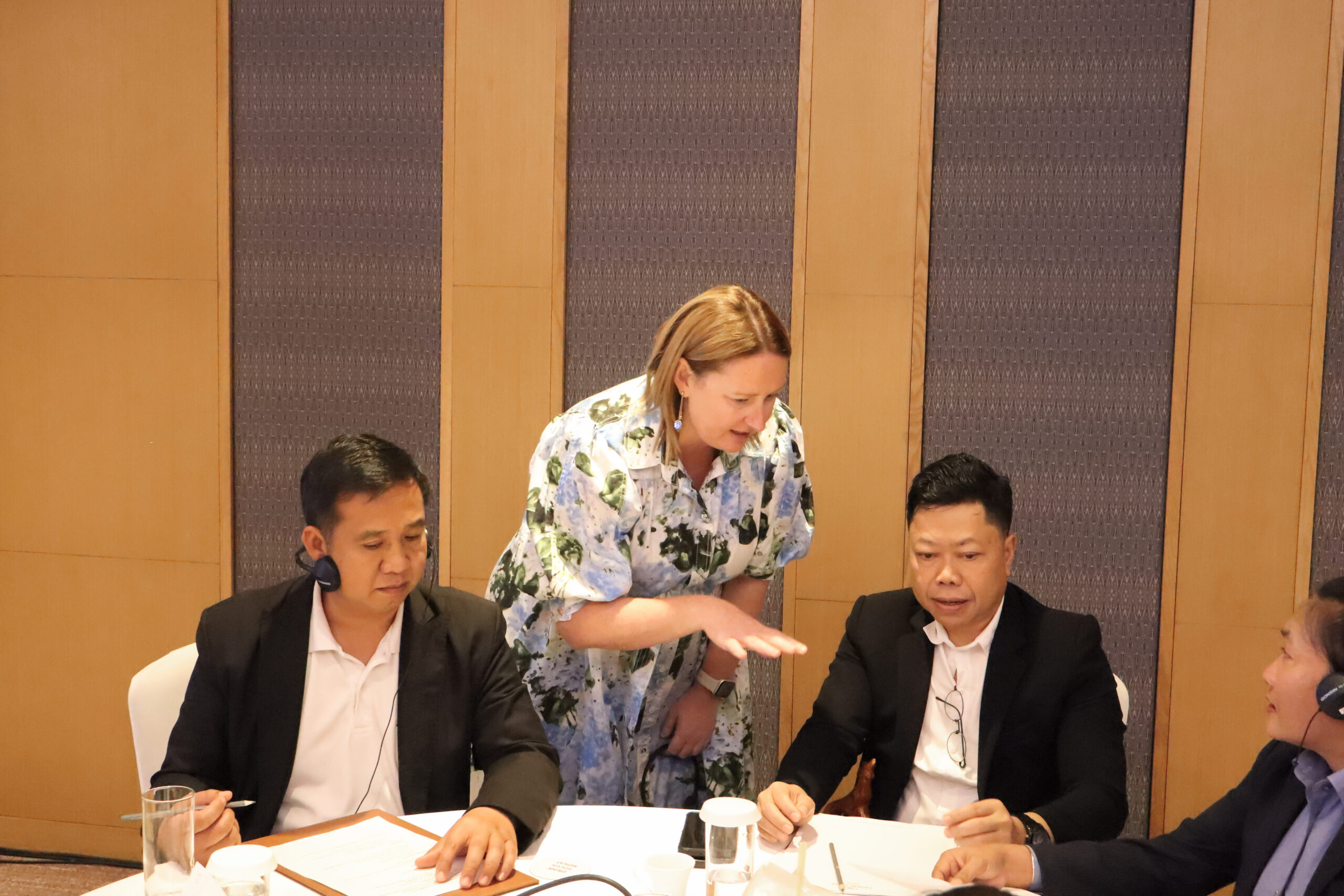
The training combined theoretical inputs with extensive hands-on practice, drawing on the Climate and Environmental Justice (CEJ) Core Modules Handbook developed under the JuSTICE Project to support the teaching of environmental and climate justice in Lao PDR. Sessions explored principles of adult learning, including experiential and transformative learning approaches, alongside advanced facilitation techniques for participatory legal education. Participants were also introduced to a complementary Trainer’s Handbook, designed to support trainers in session planning, facilitation, and the delivery of interactive legal education. Through micro-teaching sessions and peer-learning activities, participants practised applying these approaches and received structured feedback from facilitators and fellow participants to strengthen their instructional methods.

A key component of the training involved practical simulations and facilitated discussions based on environmental law and environmental justice scenarios tailored to the Lao context. Participants deepened their understanding, and discussions around cases such as the “Disappearing Forest” scenario, which examined issues relating to timber concessions, environmental impact assessments, public participation, and community rights, and the “Floods on the Mekong” scenario, which explored the impacts of climate change, upstream dam operations, compensation, and cross-border environmental governance.
The exercises encouraged participants to apply legal knowledge in dynamic learning settings while strengthening problem-solving, communication, and facilitation skills. The training also allowed the Project to test the CEJ training materials developed, ensuring their relevance to Lao laws, institutions, and learning contexts, while equipping national trainers with practical tools to deliver engaging and context-specific environmental law education.
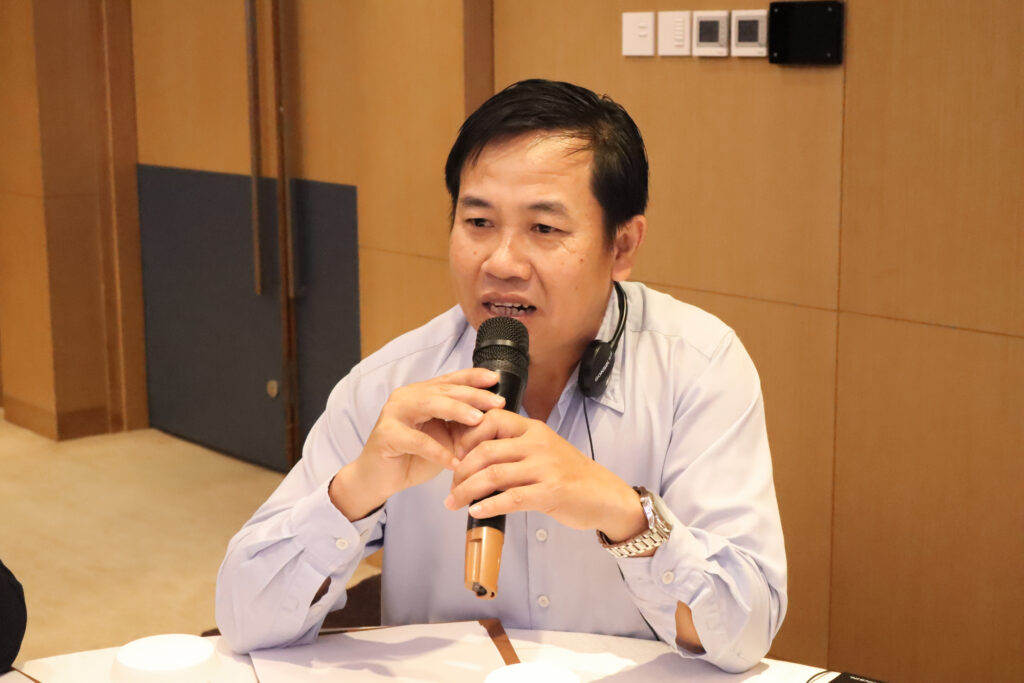
The Second ToT Programme contributes to ongoing efforts to strengthen environmental law education in Lao PDR and to build sustainable national training capacity in support of environmental justice and the rule of law.