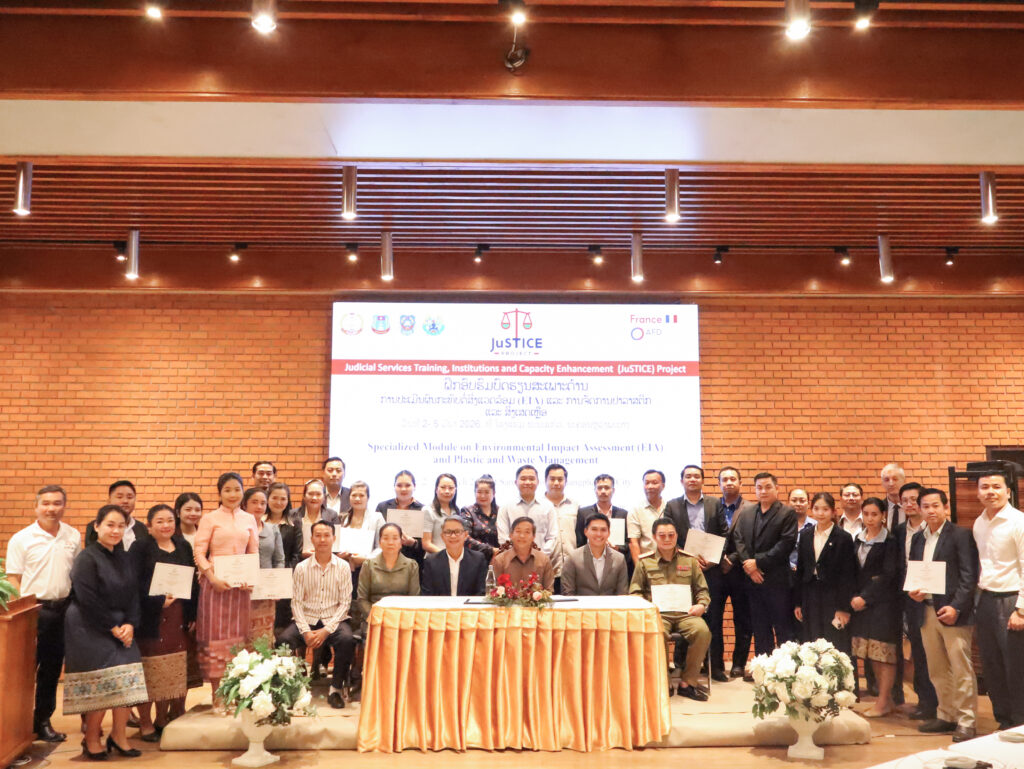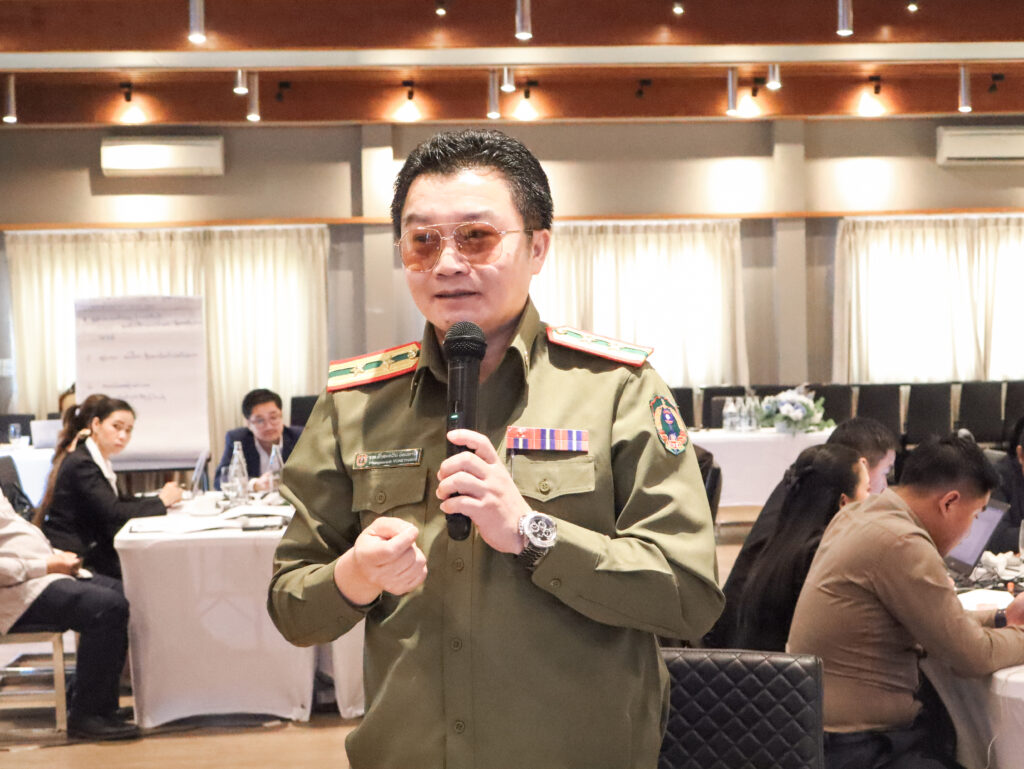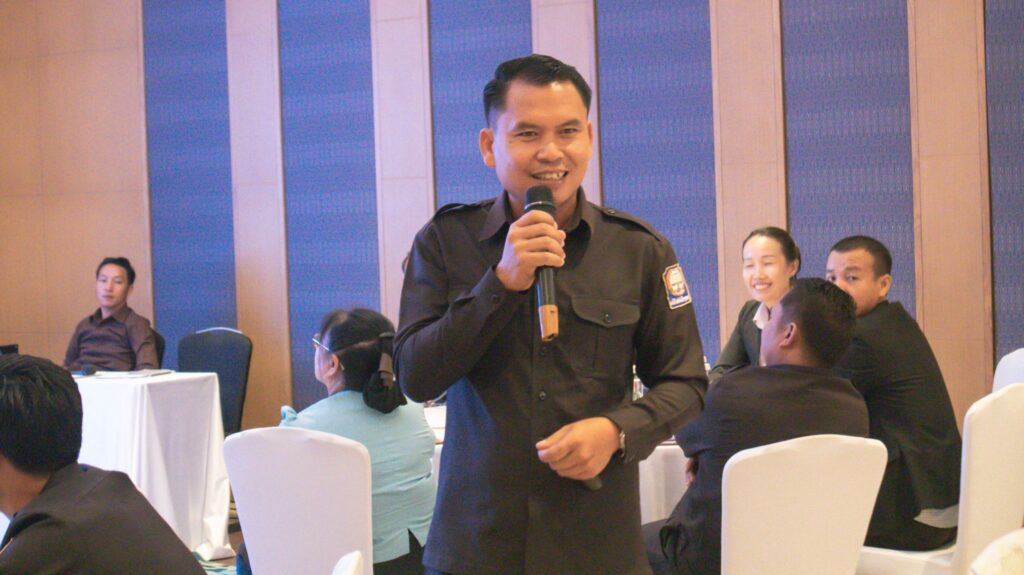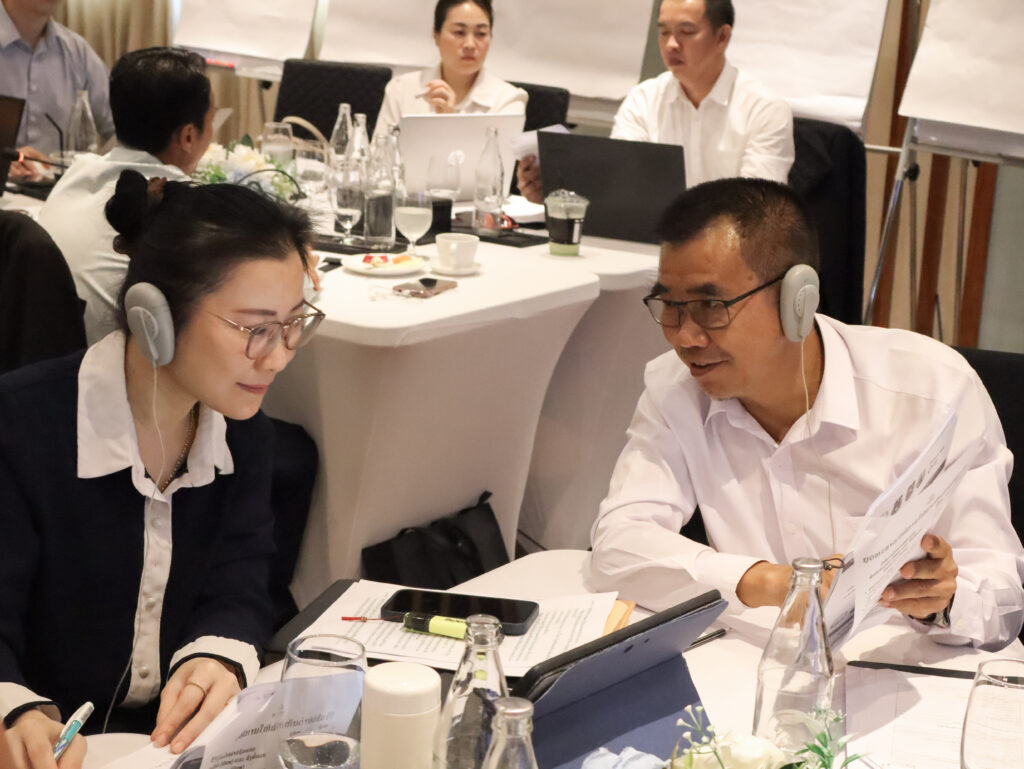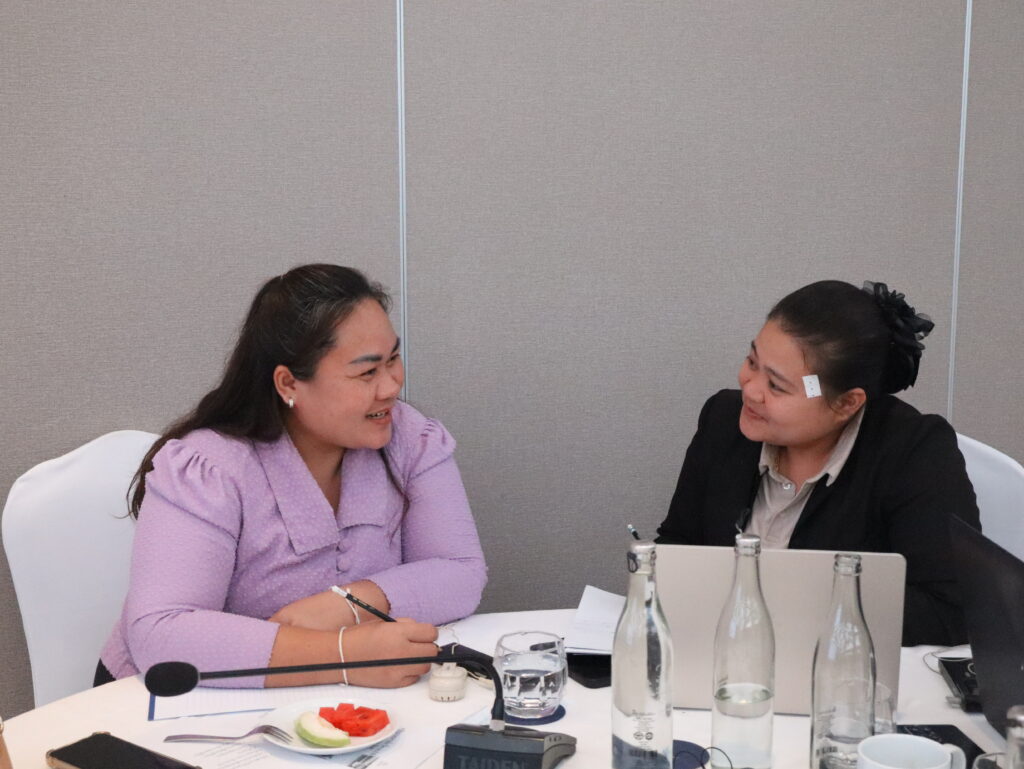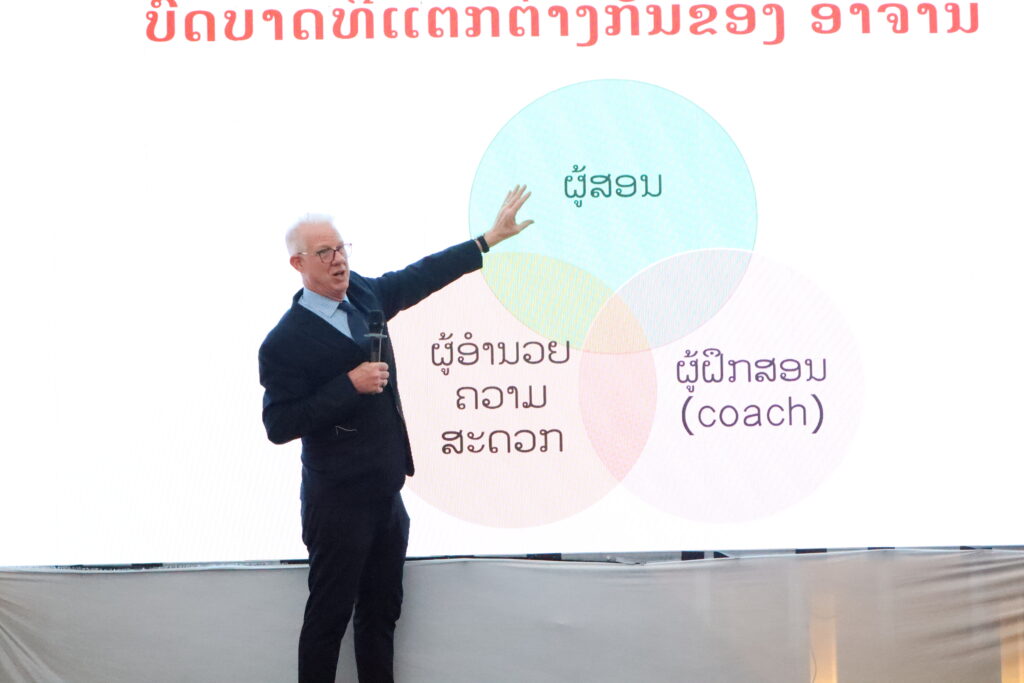
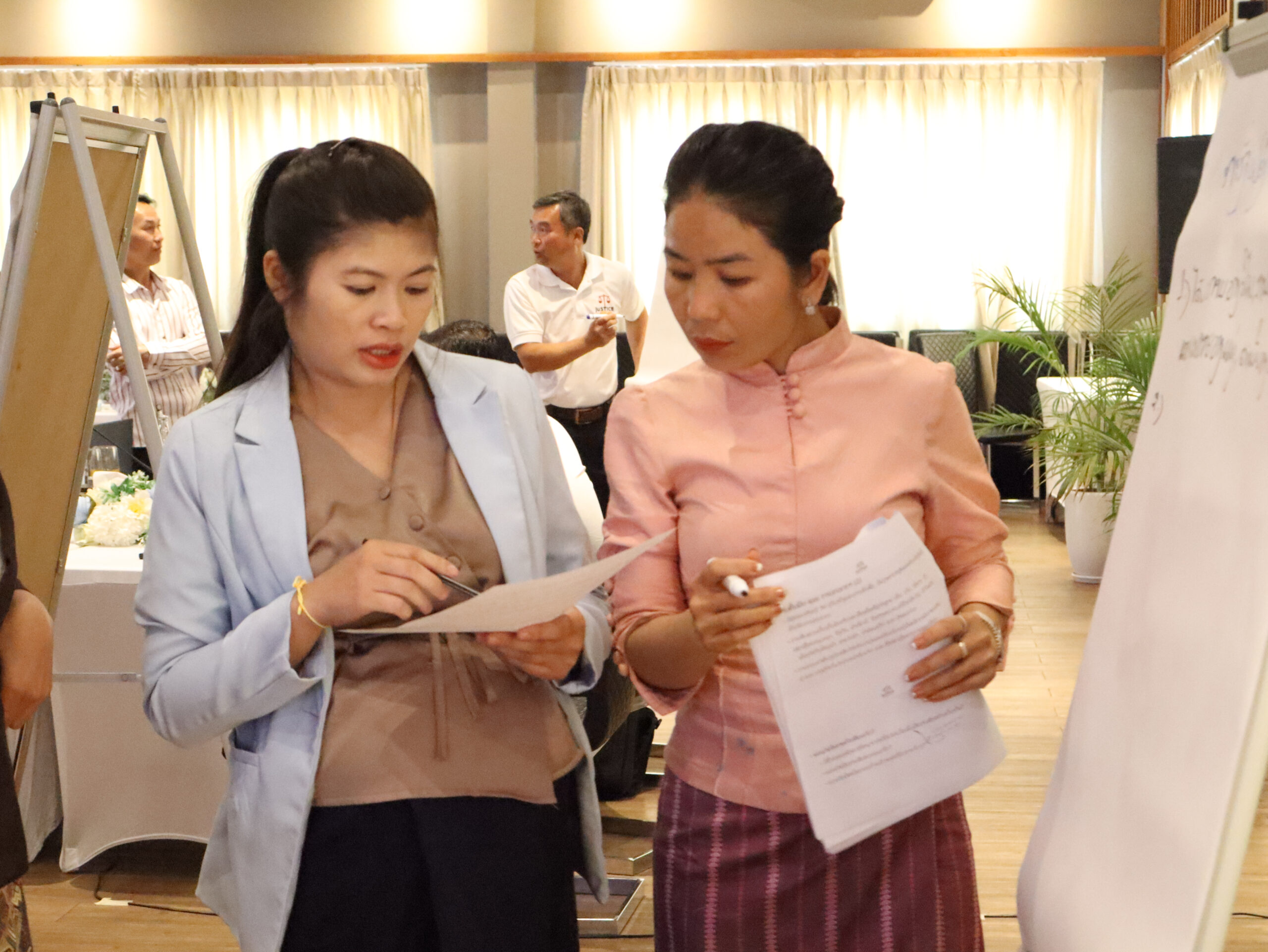
The JuSTICE Project, in close collaboration with the National Institute of Justice (NIJ), has successfully organised a two-day Specialized Module on Waste Management and Crime on 4-5 March in Luang Prabang, Lao PDR. The training was facilitated by international expert Mr. Roger Joseph (Rocky) Guzman, with the aim of strengthening participants’ understanding of the legal and institutional dimensions of waste management and related environmental crimes.
The training brought together representatives from relevant government agencies, judicial institutions, and enforcement bodies to strengthen their understanding of waste management and environmental crime through both international and national legal perspectives. Participants examined key international and regional legal instruments, including the Basel Convention on the Control of Transboundary Movements of Hazardous Wastes and Their Disposal, the Rotterdam Convention, the Stockholm Convention, the Minamata Convention, and relevant ASEAN frameworks, with particular attention to obligations relating to hazardous waste management and the Prior Informed Consent (PIC) procedure.
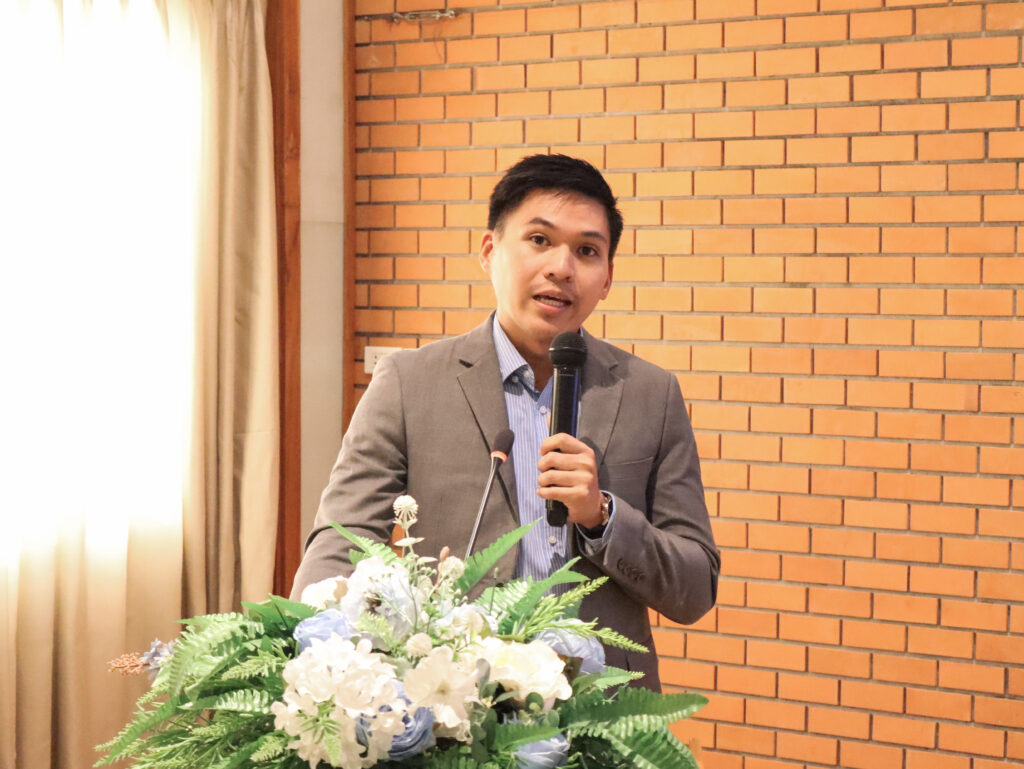
The programme also explored Lao PDR’s national legal framework, including the Environmental Protection Law (2024) and related regulations governing waste management, pollution control, enforcement, and sanctions. As part of the JuSTICE Project’s broader capacity-building approach, the specialised module provided participants with practical and in-depth learning on a priority environmental issue, helping to strengthen technical knowledge and legal competencies in addressing waste-related offences.
The module combined lectures, facilitated discussions, and practical exercises to strengthen participants’ understanding of the links between waste management and environmental crime. Sessions explored topics such as illegal transboundary waste trafficking, hazardous and plastic waste management, compliance and enforcement mechanisms, and institutional responsibilities in waste governance.
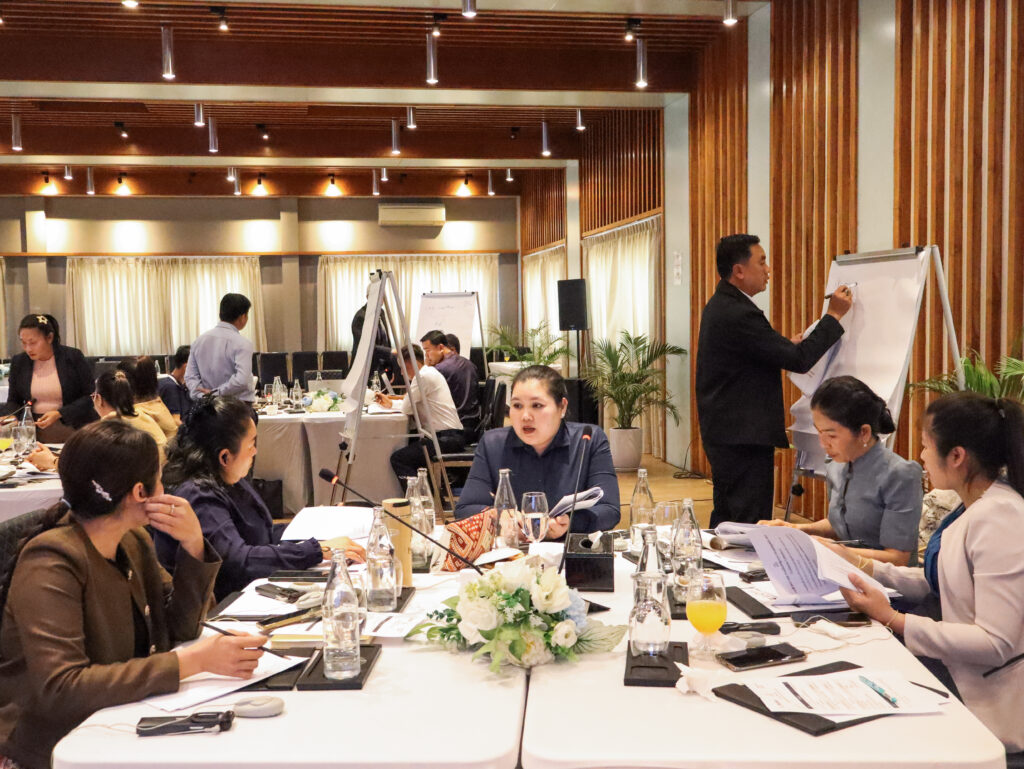
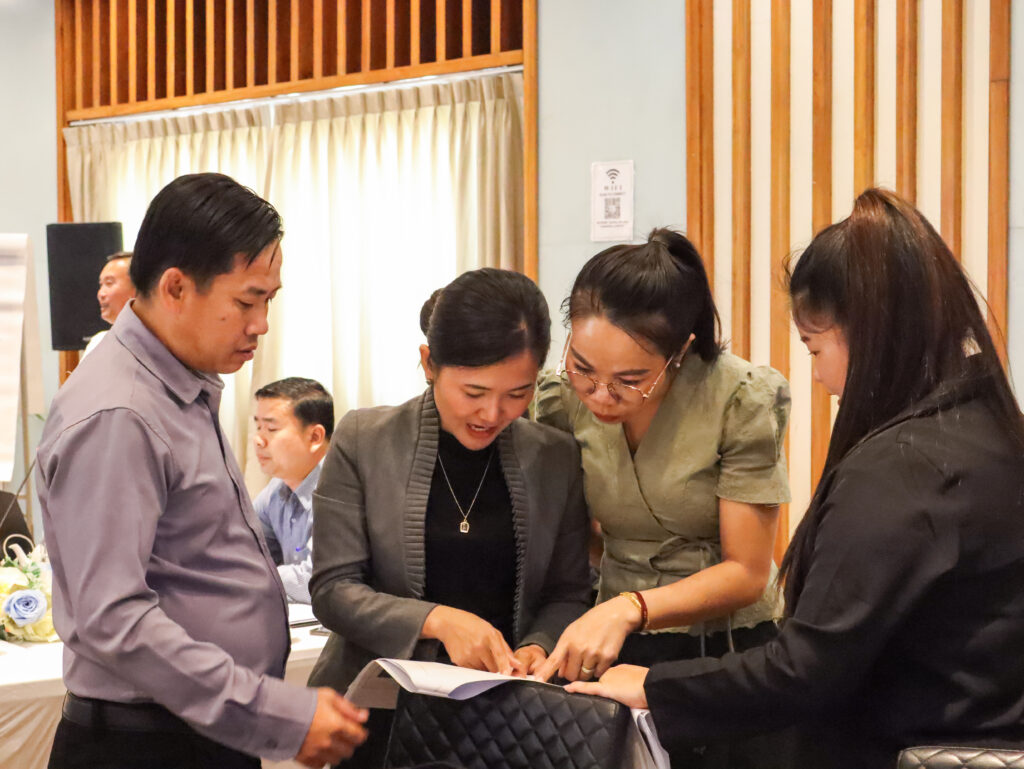
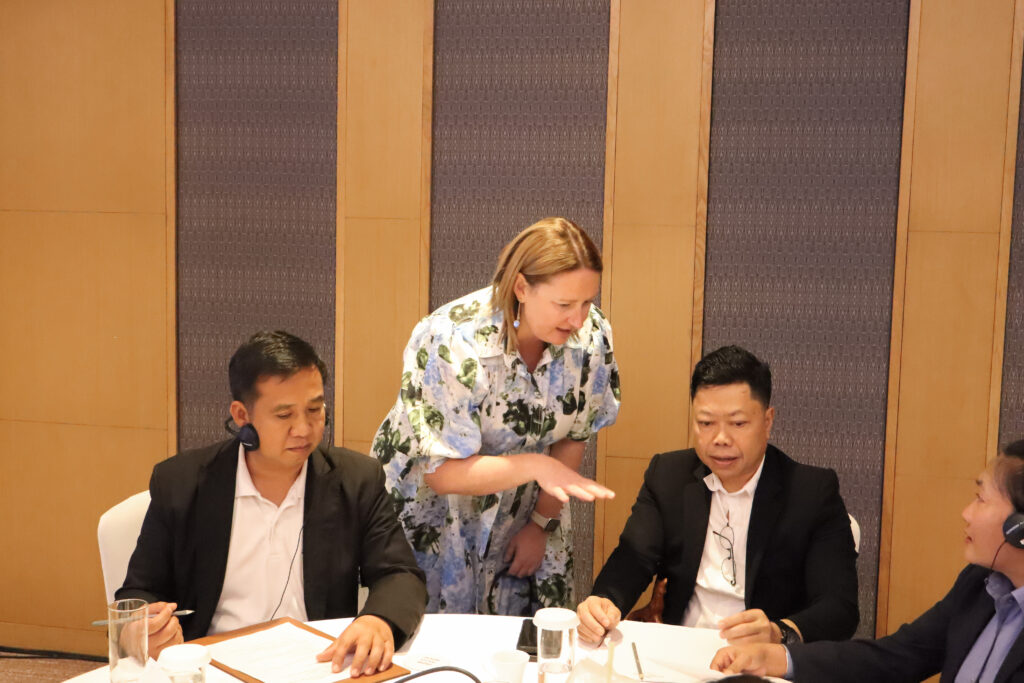
A key feature of the training was an interactive case study simulating a transboundary shipment of mixed waste materials, where participants worked through realistic enforcement scenarios by identifying violations under international and Lao law, determining investigative steps, assessing documentary evidence, identifying responsible actors, and considering appropriate enforcement and prosecution strategies. Drawing on examples from Lao PDR and the ASEAN region, these practical exercises encouraged participants to examine challenges such as limited monitoring capacity, informal waste handling practices, and the importance of stronger coordination among environmental authorities, law enforcement agencies, prosecutors, and the judiciary.
Discussions also addressed compliance and enforcement mechanisms, highlighting the importance of effective inter-agency coordination and international cooperation in tackling environmental offences. This interactive approach supported a deeper understanding of how legal frameworks are applied in practice and highlighted opportunities for strengthening institutional coordination.
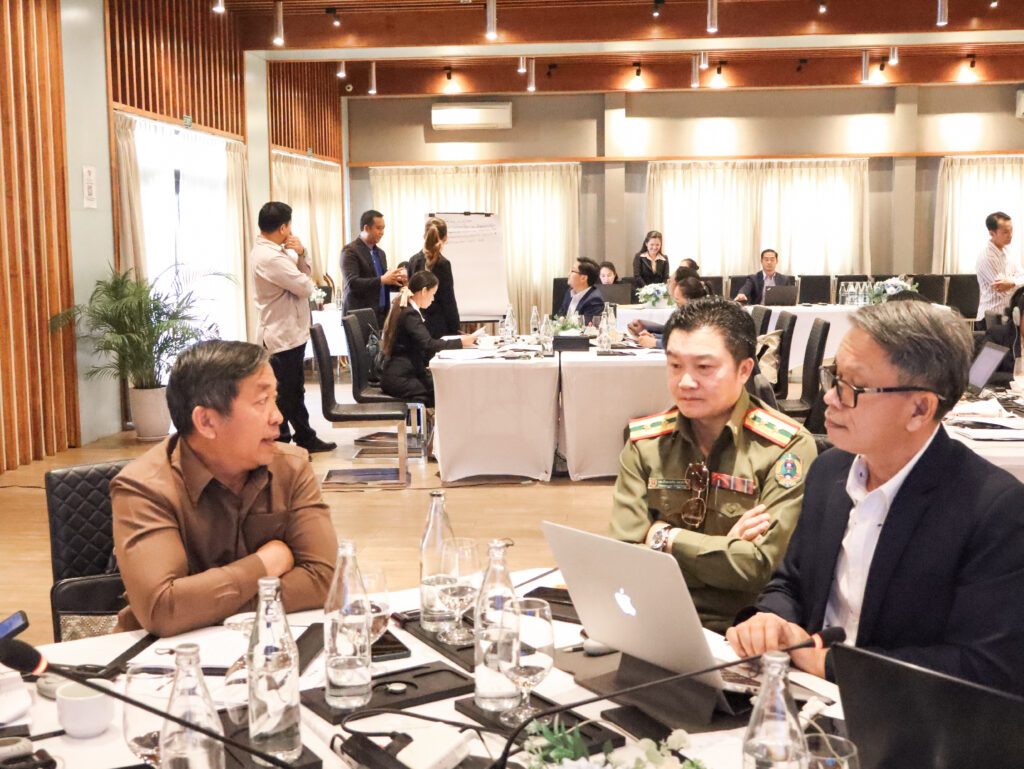
Through this initiative, the JuSTICE Project continues to strengthen institutional capacity and promote more effective legal and governance responses to environmental challenges in Lao PDR. By enhancing knowledge and fostering collaboration among key stakeholders, the project contributes to advancing environmental protection and the rule of law in the country.